Twitter @CharterPrimary
On this page you will find lots of information about our Early Years Foundation Stage (EYFS) and what happens in our EYFS class when your child starts at Charter School.
Under the Getting Ready to Start School section, you will find some helpful information and tips on how you can support your child before they start school.
Please do not hesitate to contact us if you have any queries.
We aim to inspire and excite children to want to learn more. The Early Years Foundation is where our children begin their learning journey at Charter and where we endeavour to develop an understanding of the rights that all children should enjoy. It is the foundation in which everything else is built and so it is crucial to foster a love of learning from the offset.
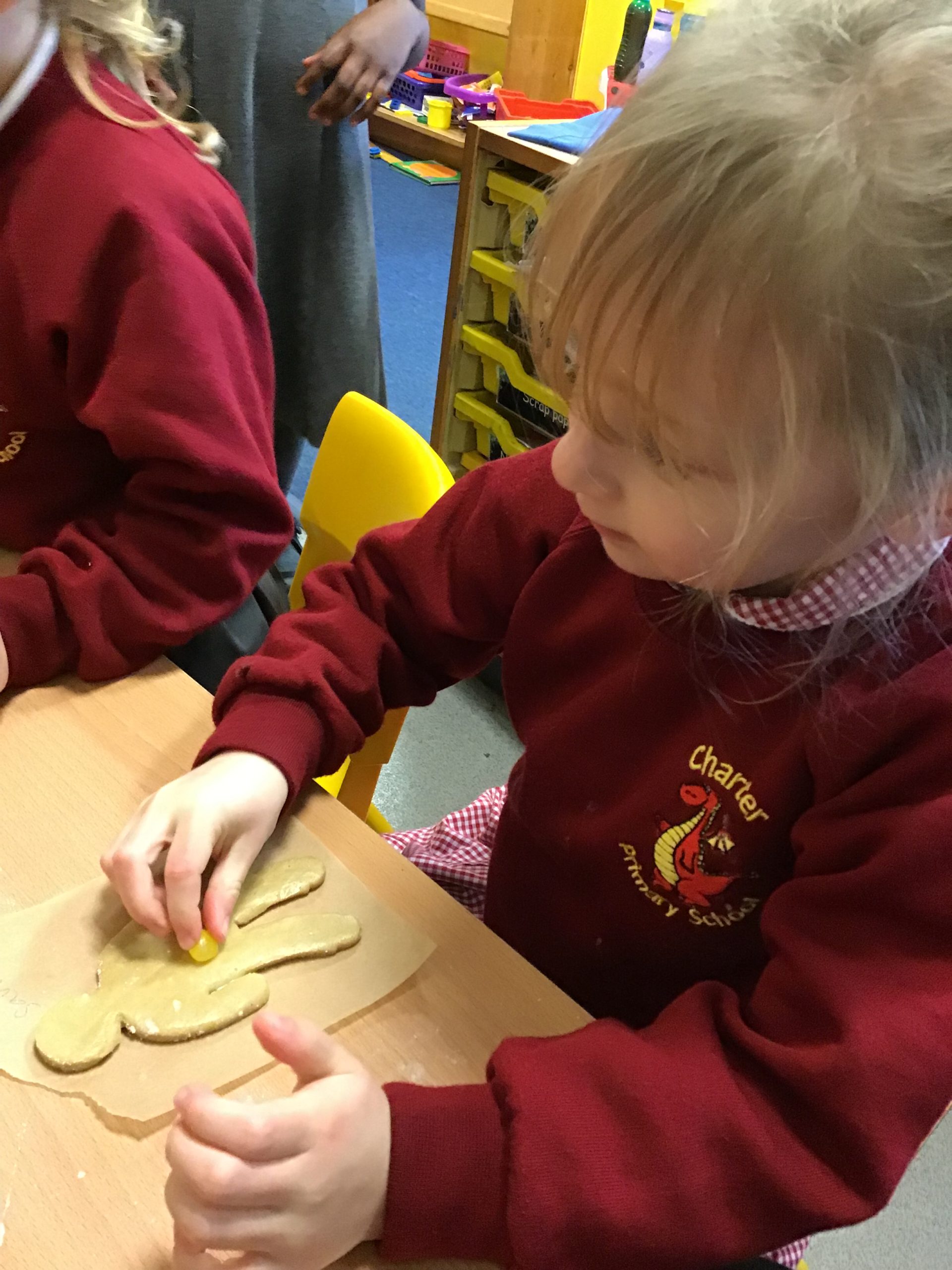
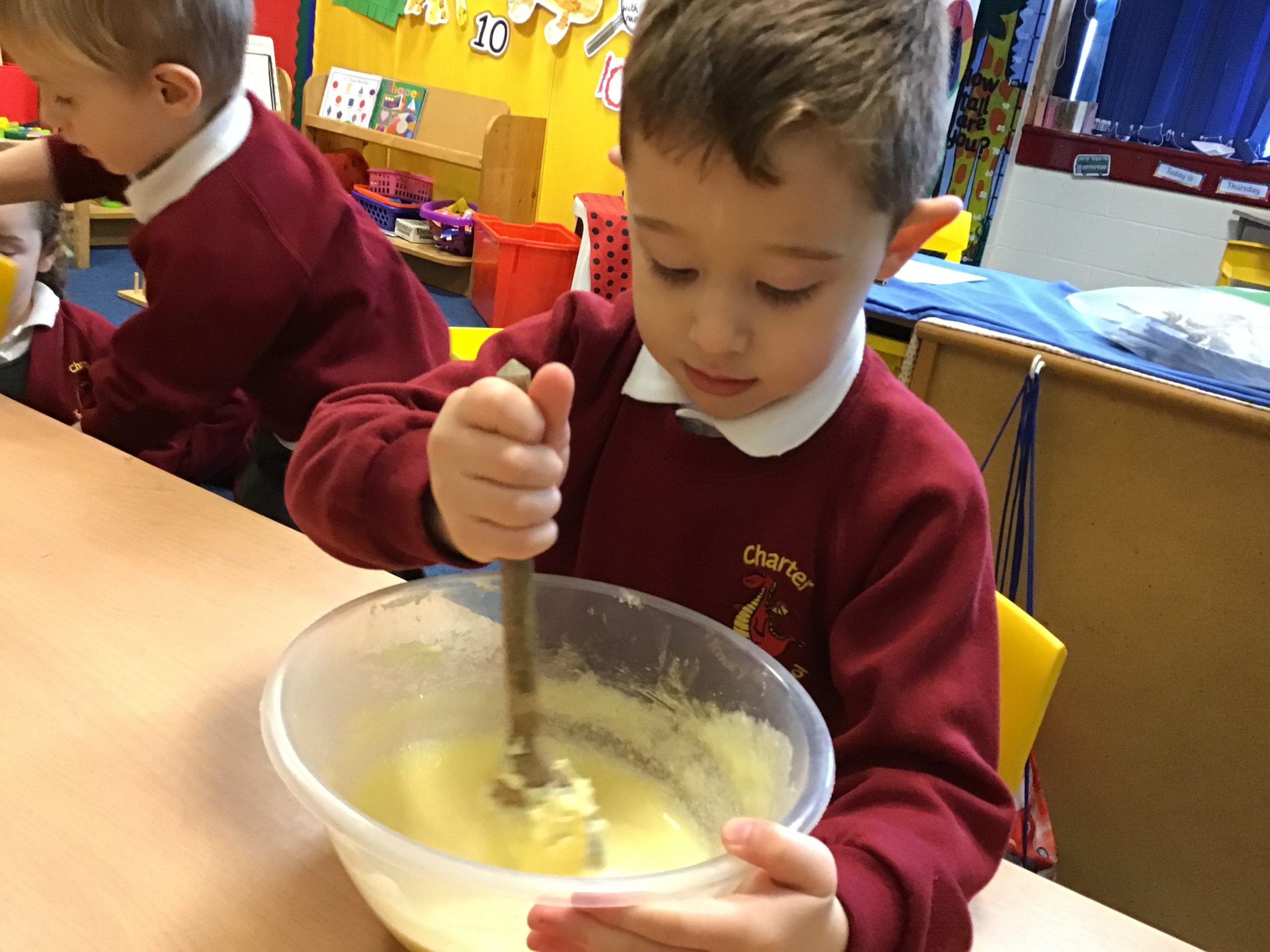
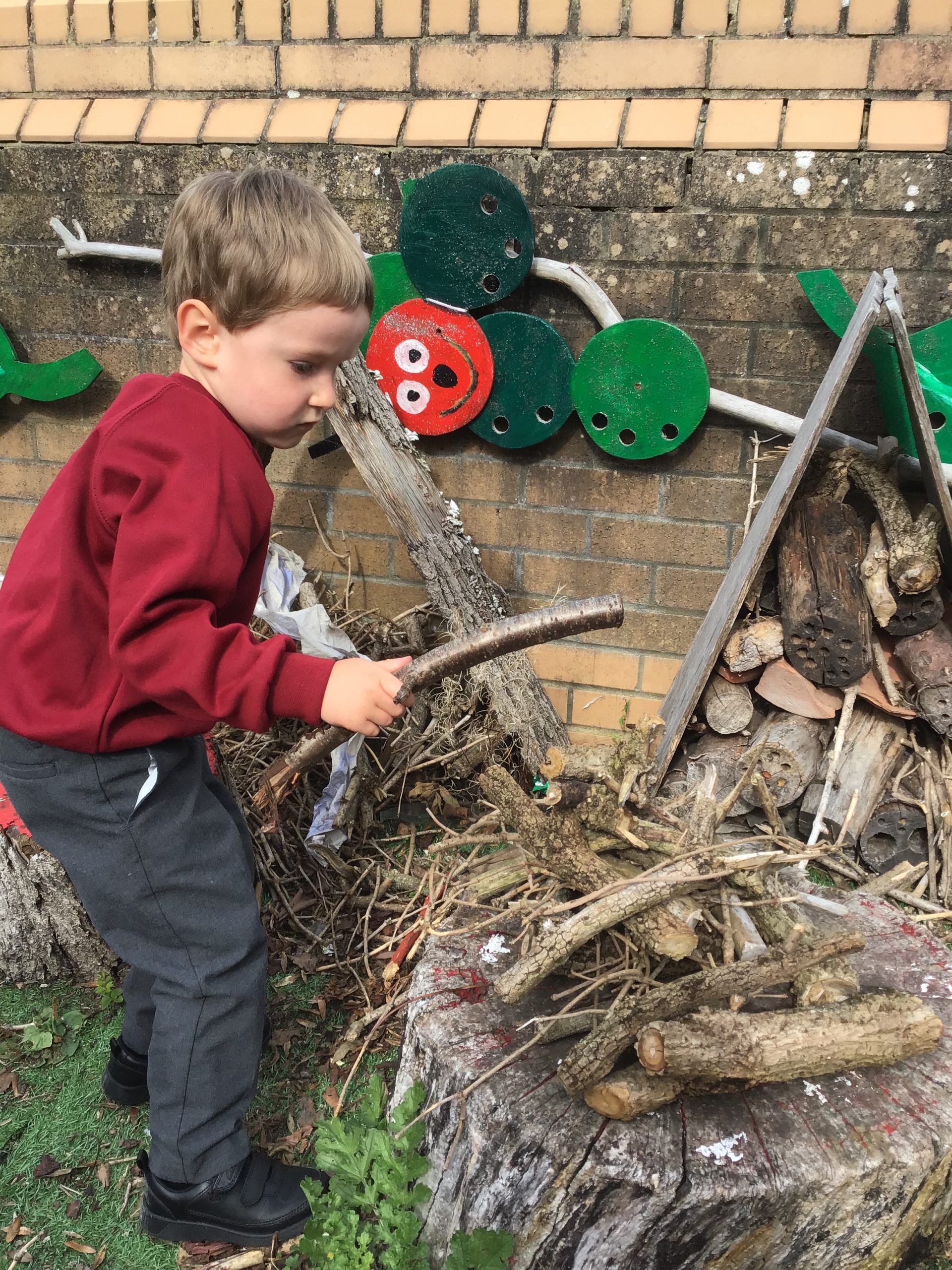
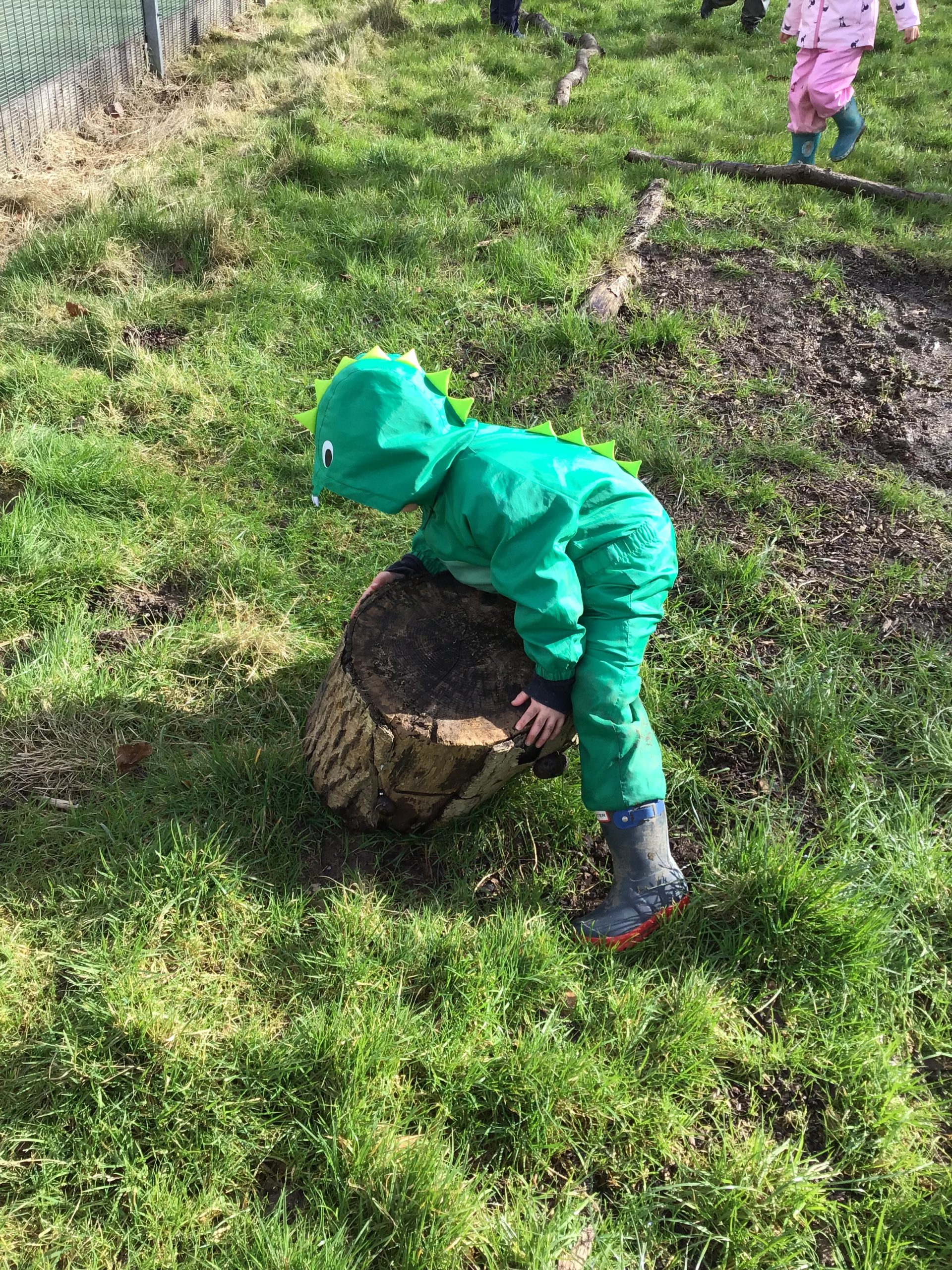
Children learn best through play and active learning. We wish to help nurture a ‘can have a go’ attitude in our children, encourage risk taking within an environment that supports the growth of happy children.


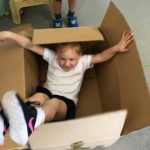
Learning is achieved through a well-balanced range of both child and adult led learning opportunities in both the classroom and our outdoor environment. We are guided by your children. Through observations of child led play, adults can then plan and provide the next steps in your child’s unique learning journey.
Through the EYFS we aim to develop the principles of learning through the 7 areas of learning and development alongside the 3 learning characteristics as set out below:
Prime areas of learning:
- Communication and Language
- Physical Development
- Personal, Social and Emotional Development
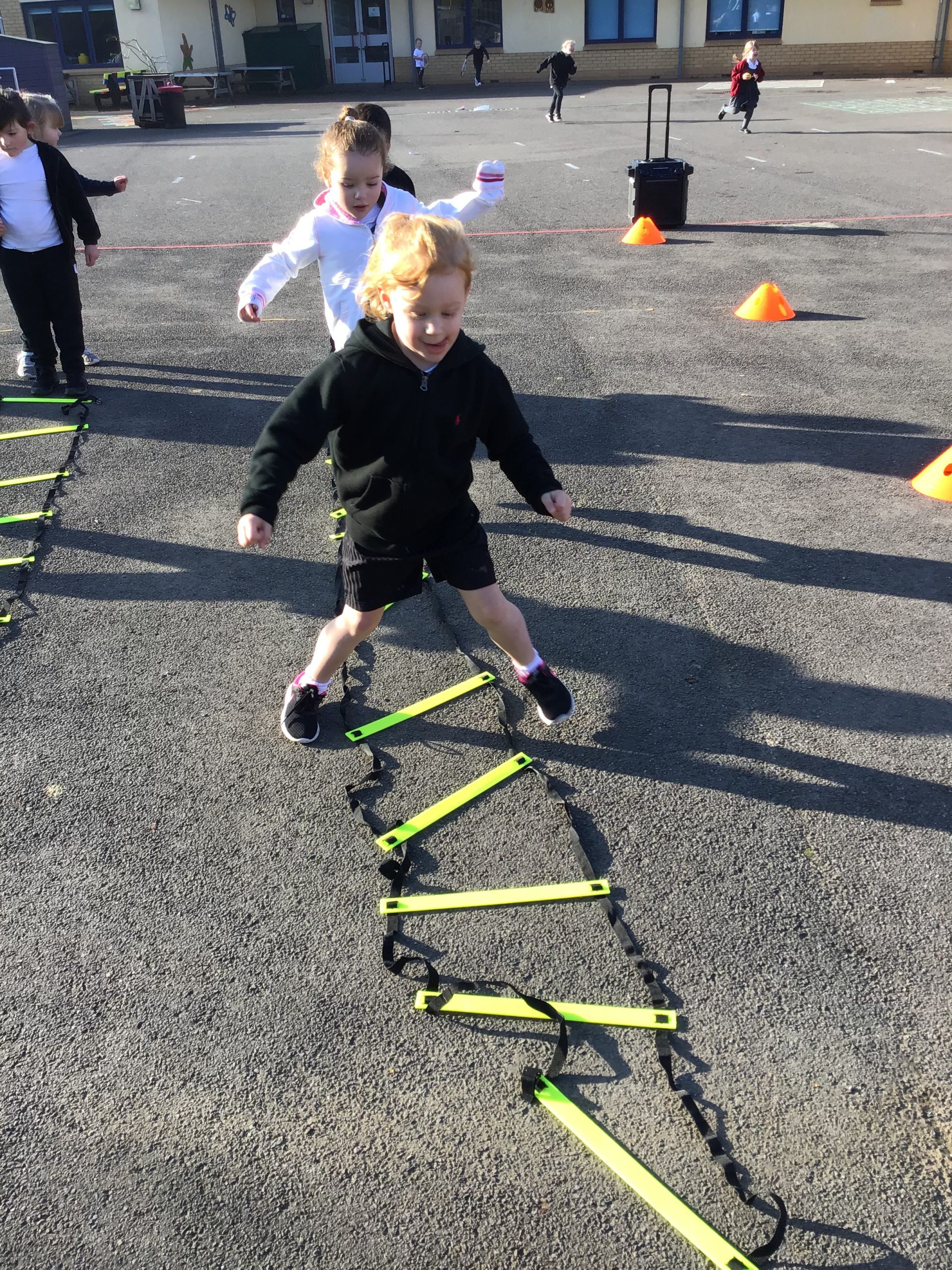
Specific areas of learning:
- Literacy
- Mathematics
- Understanding the World
- Expressive Arts and Design
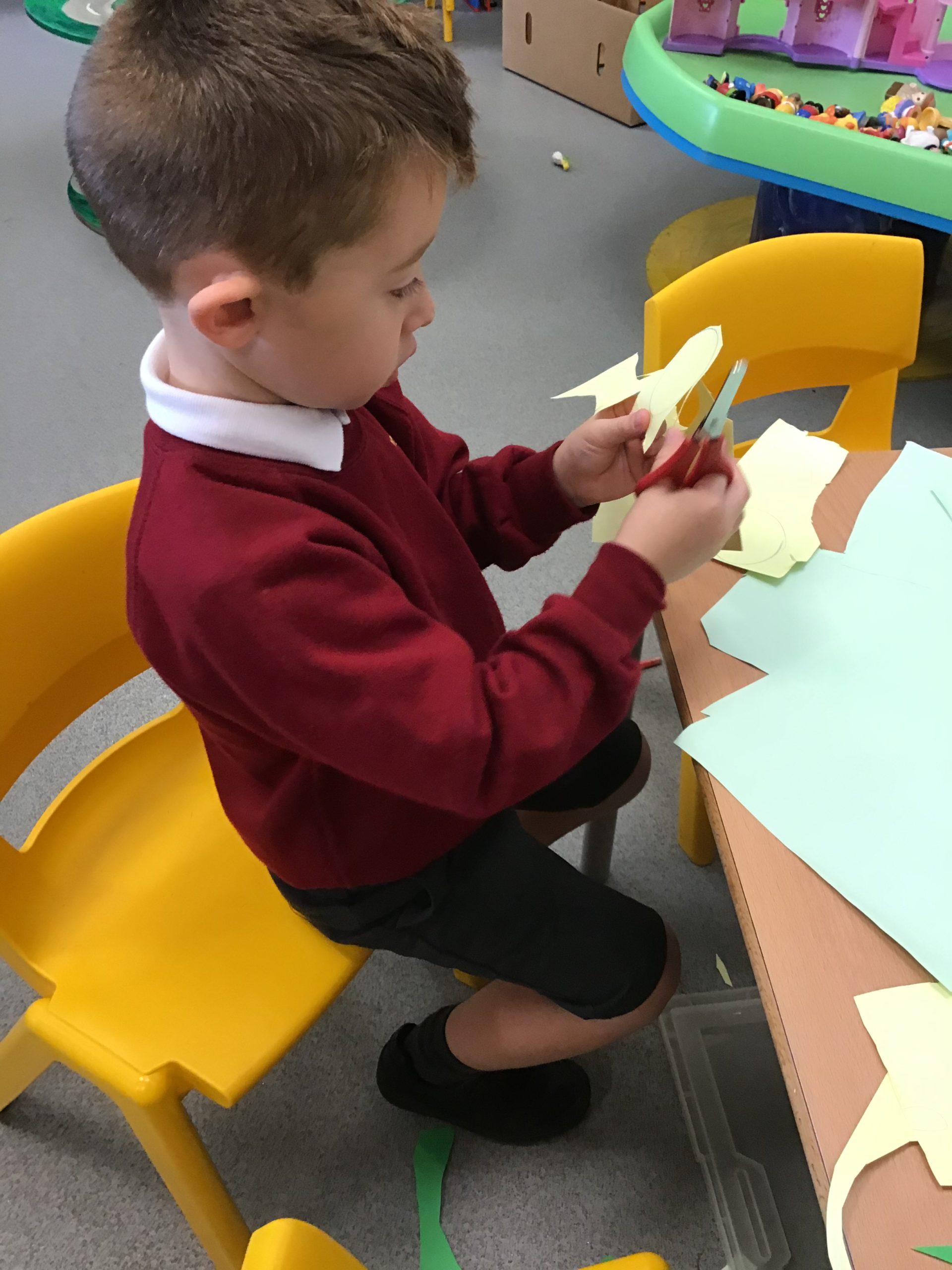
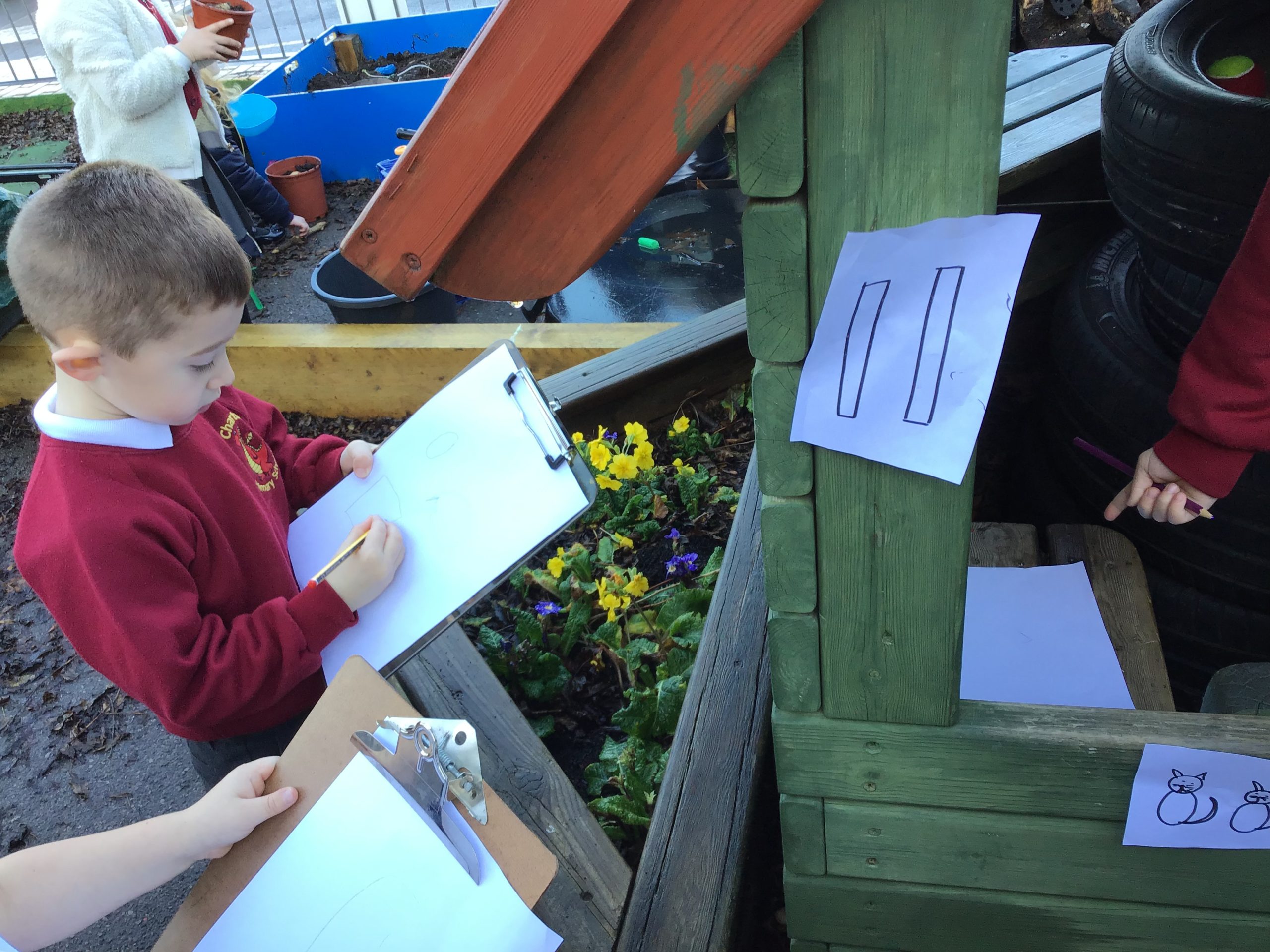
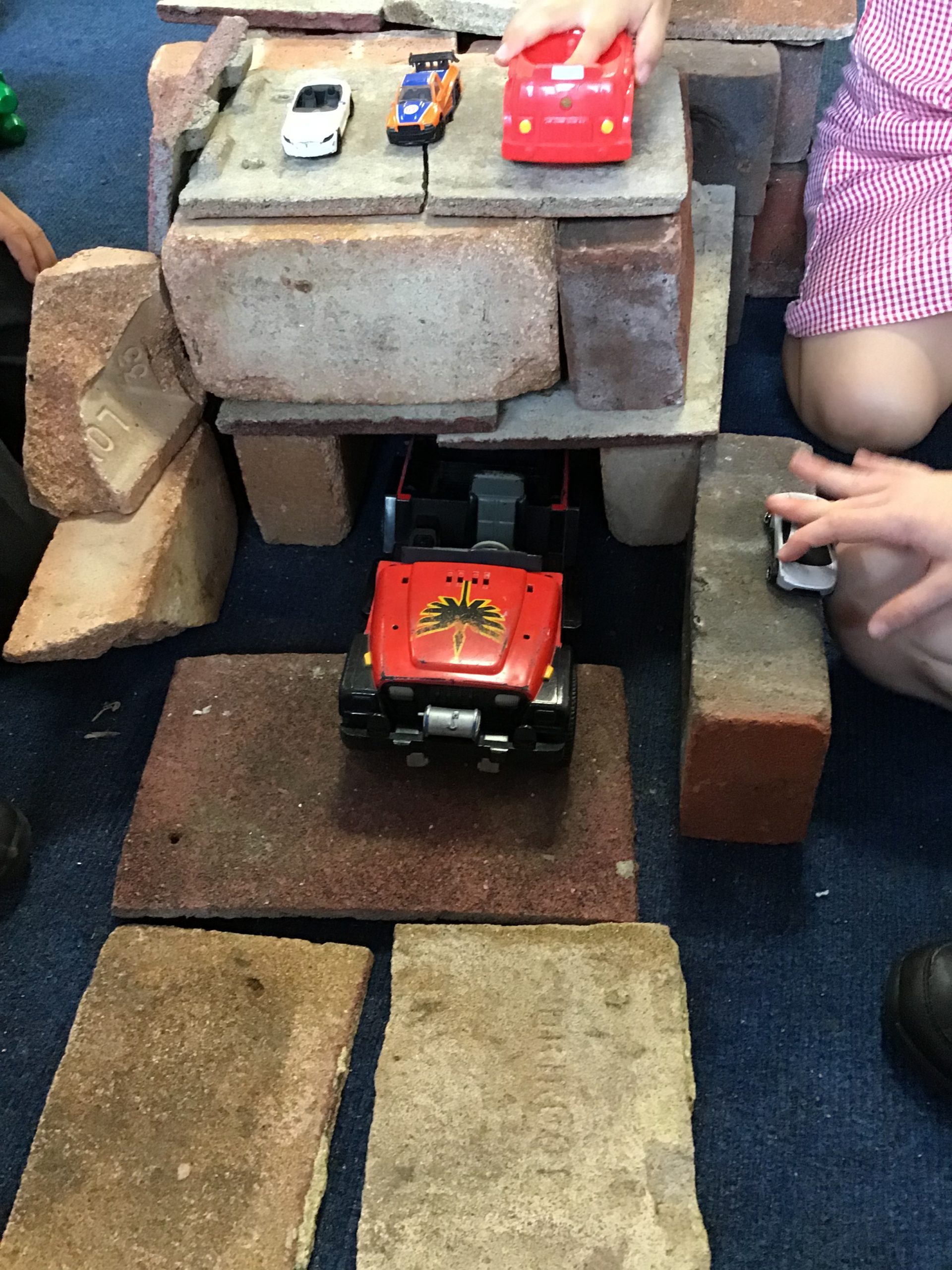
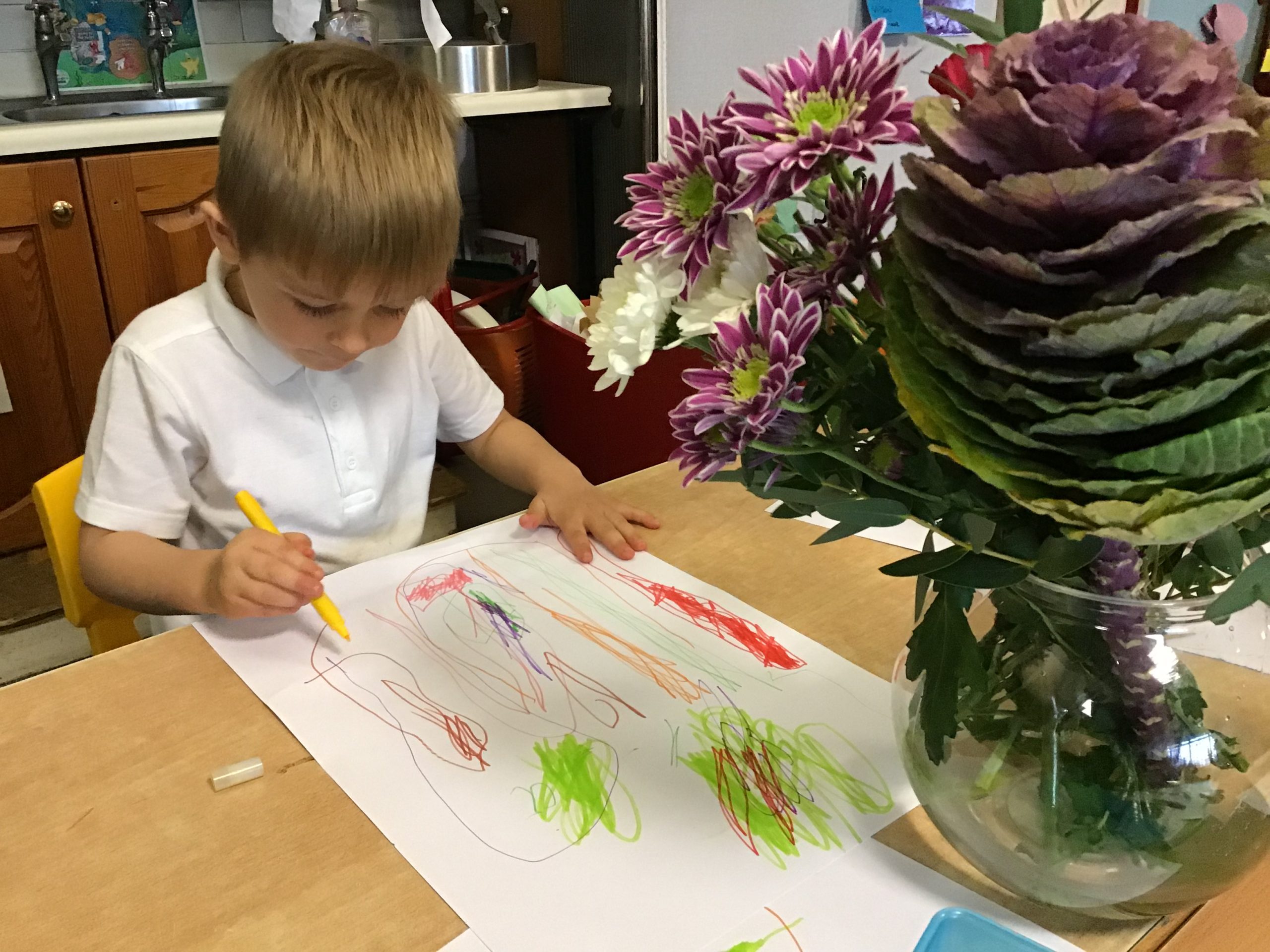
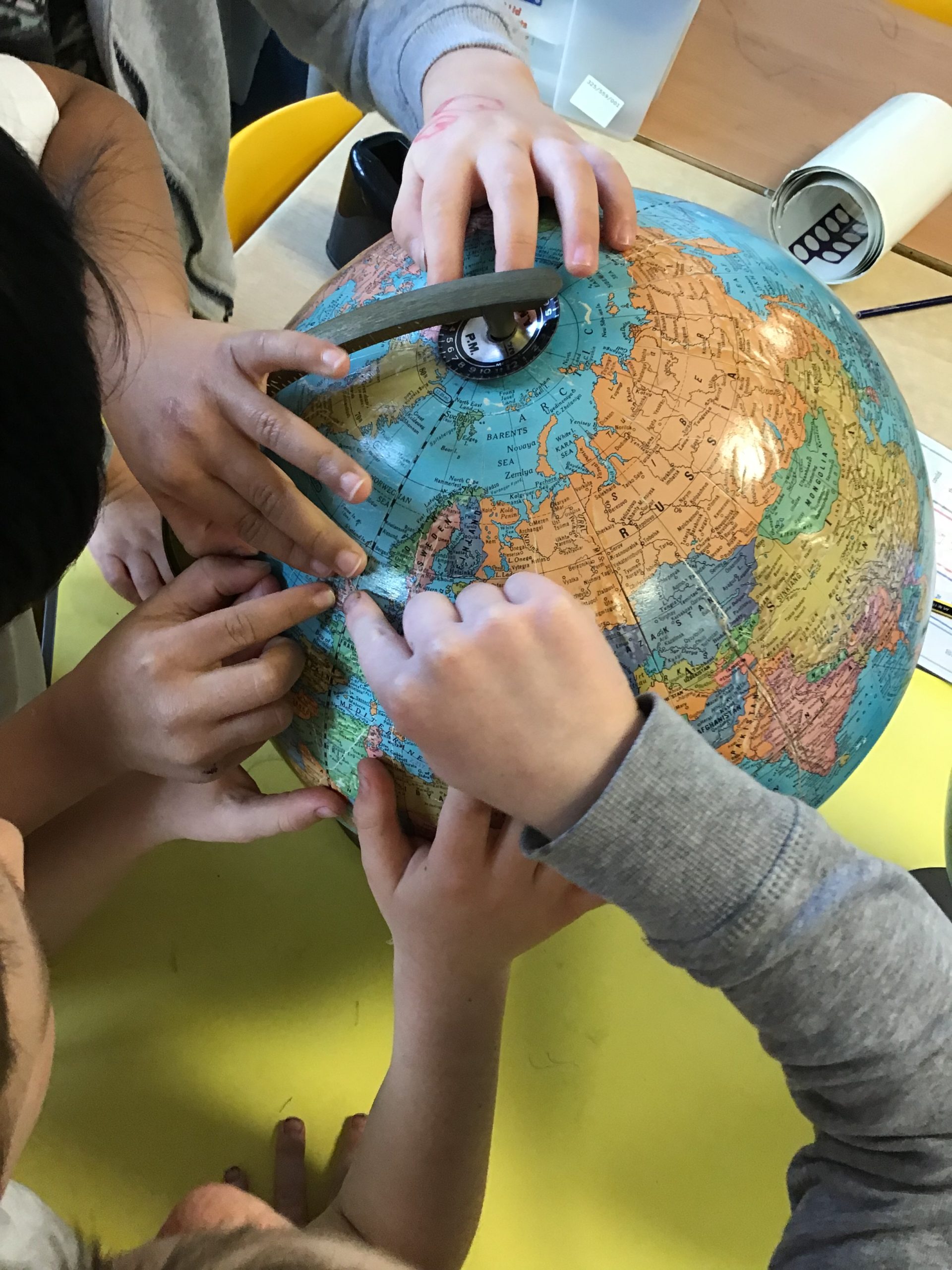
The Characteristics of Effective Learning in Pictures
By playing and exploring:
- Finding out and exploring
- Using what they know in their play
- Being willing to have a go
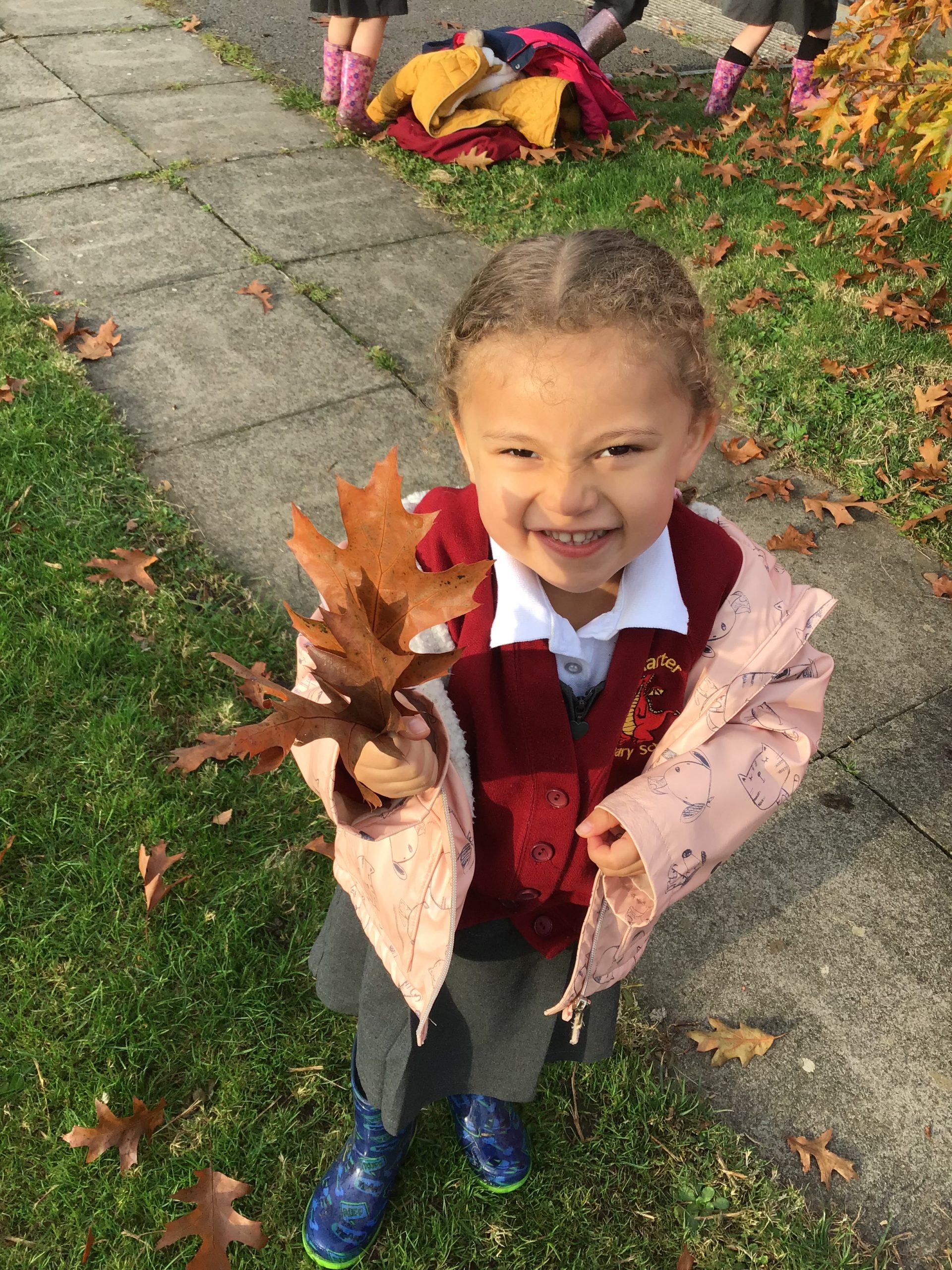
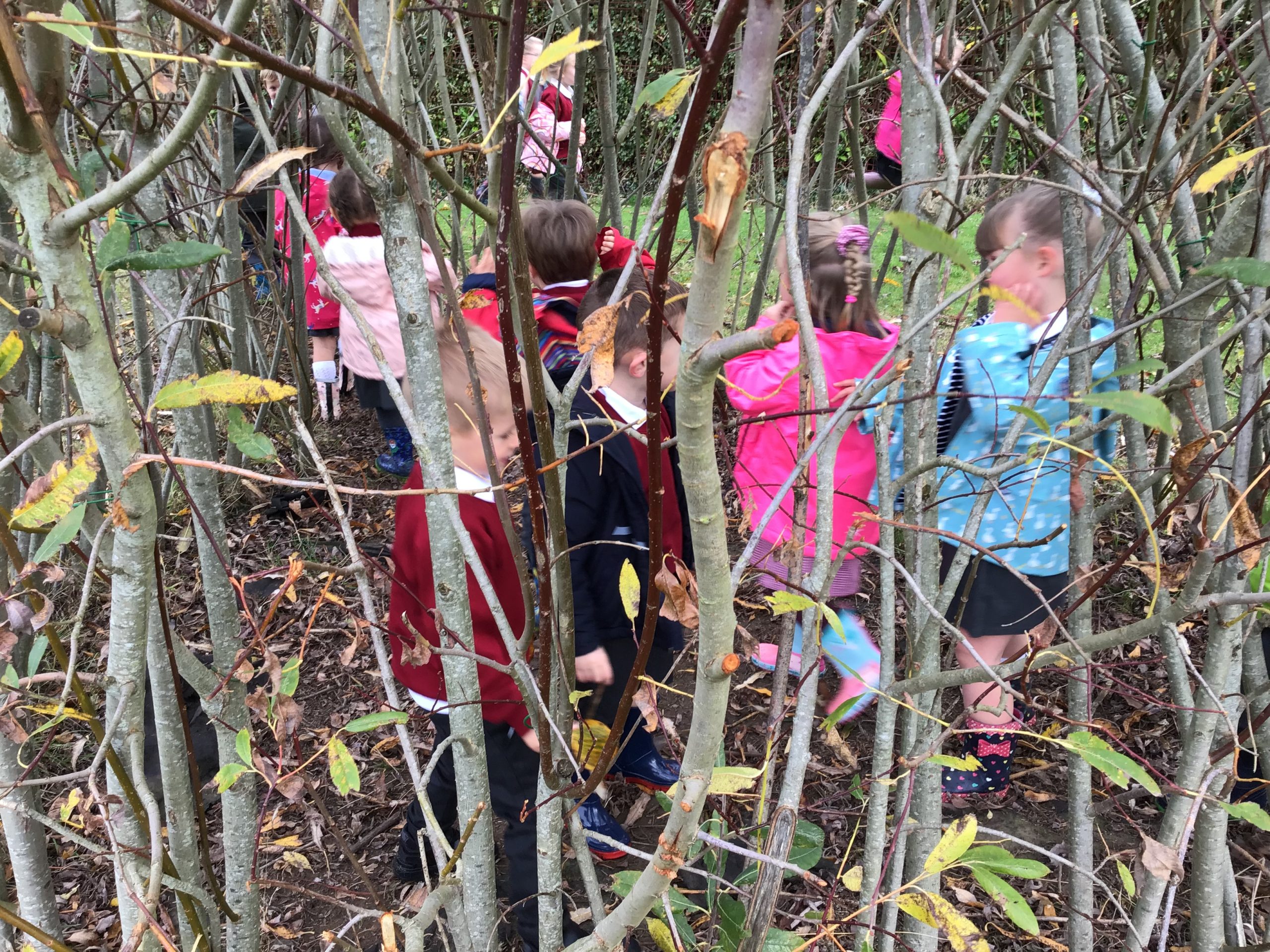
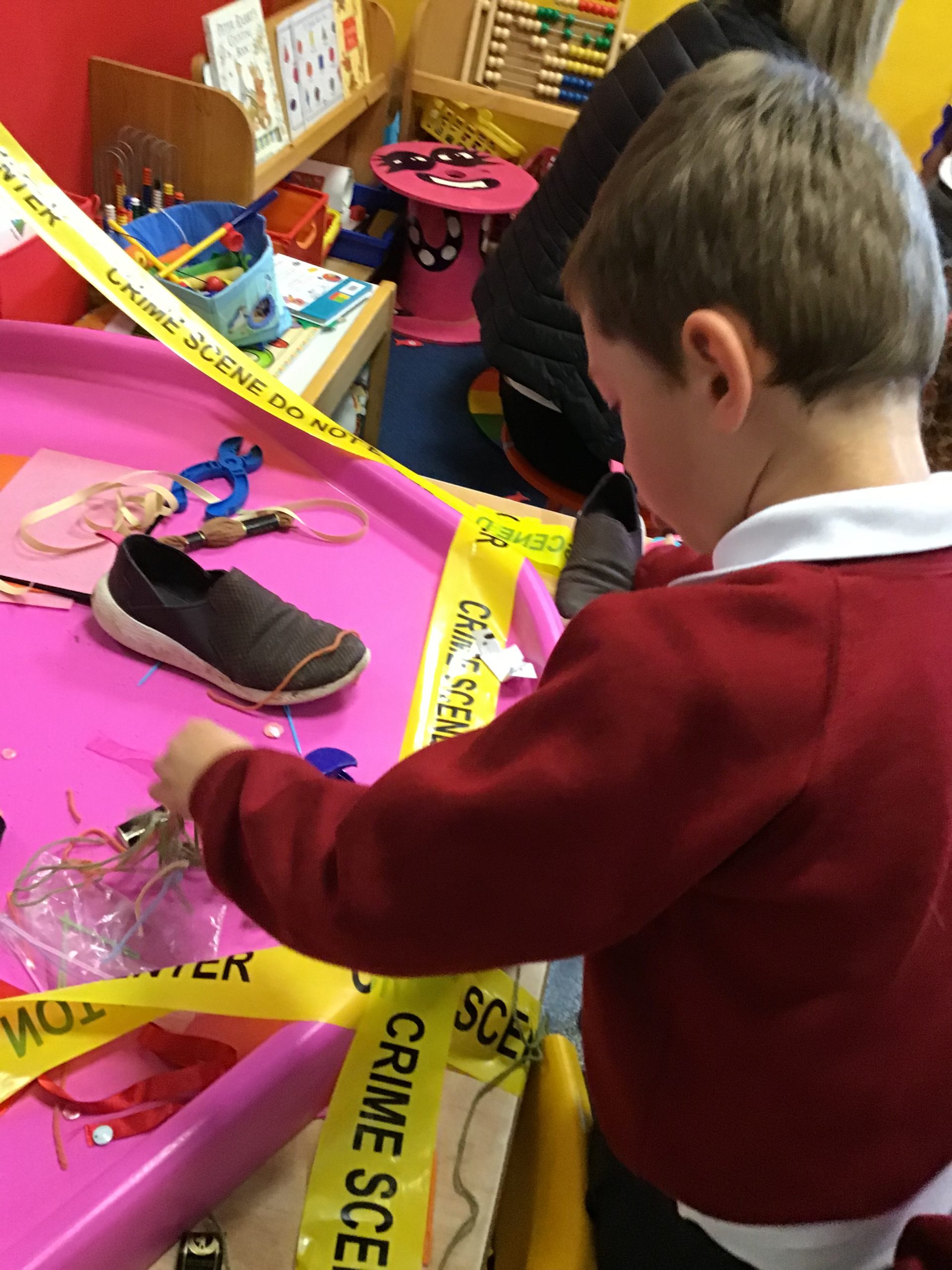
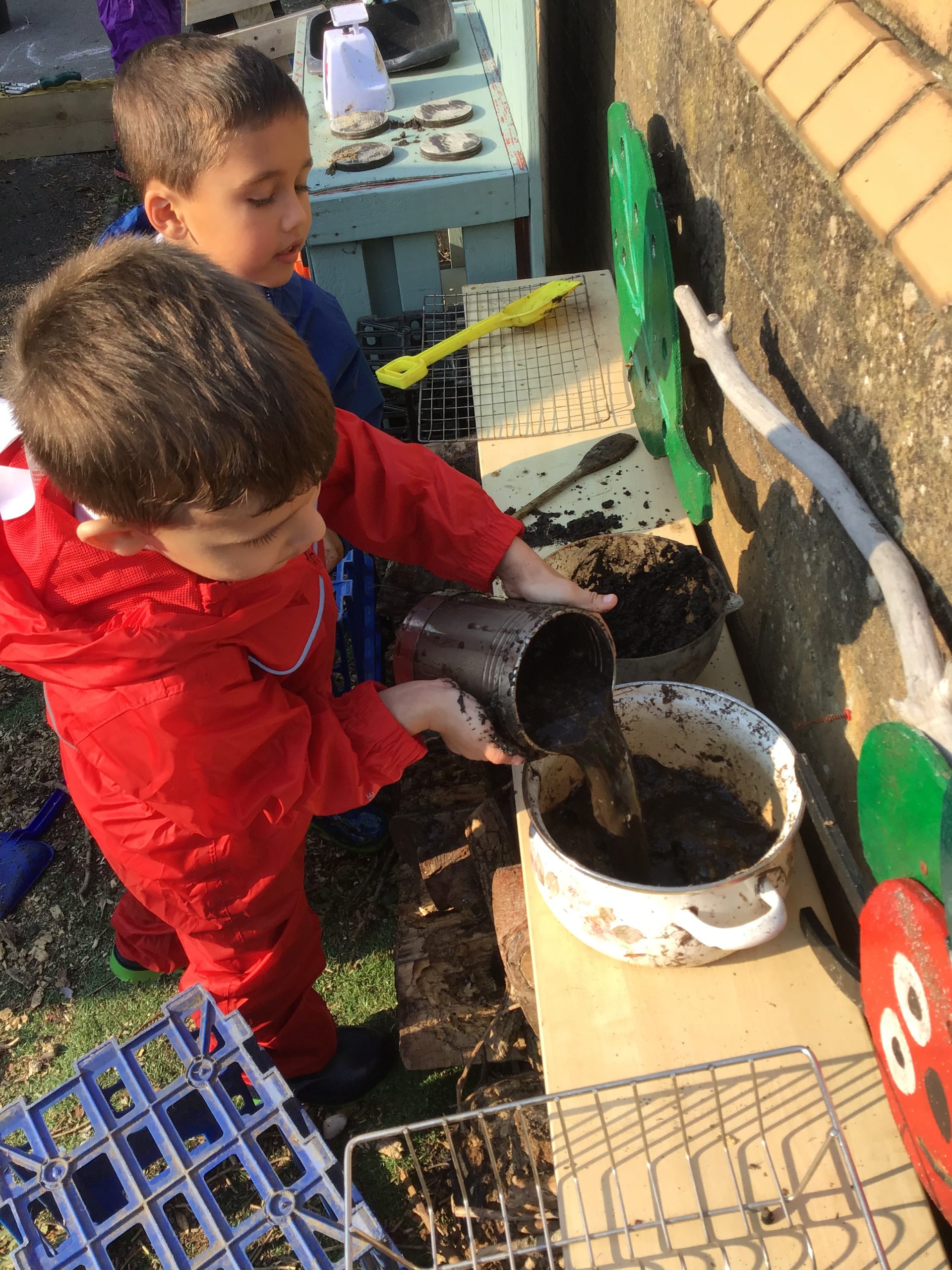
Through active learning:
- Being involved and concentrating
- Keeping on trying
- Enjoying achieving what they set out to do
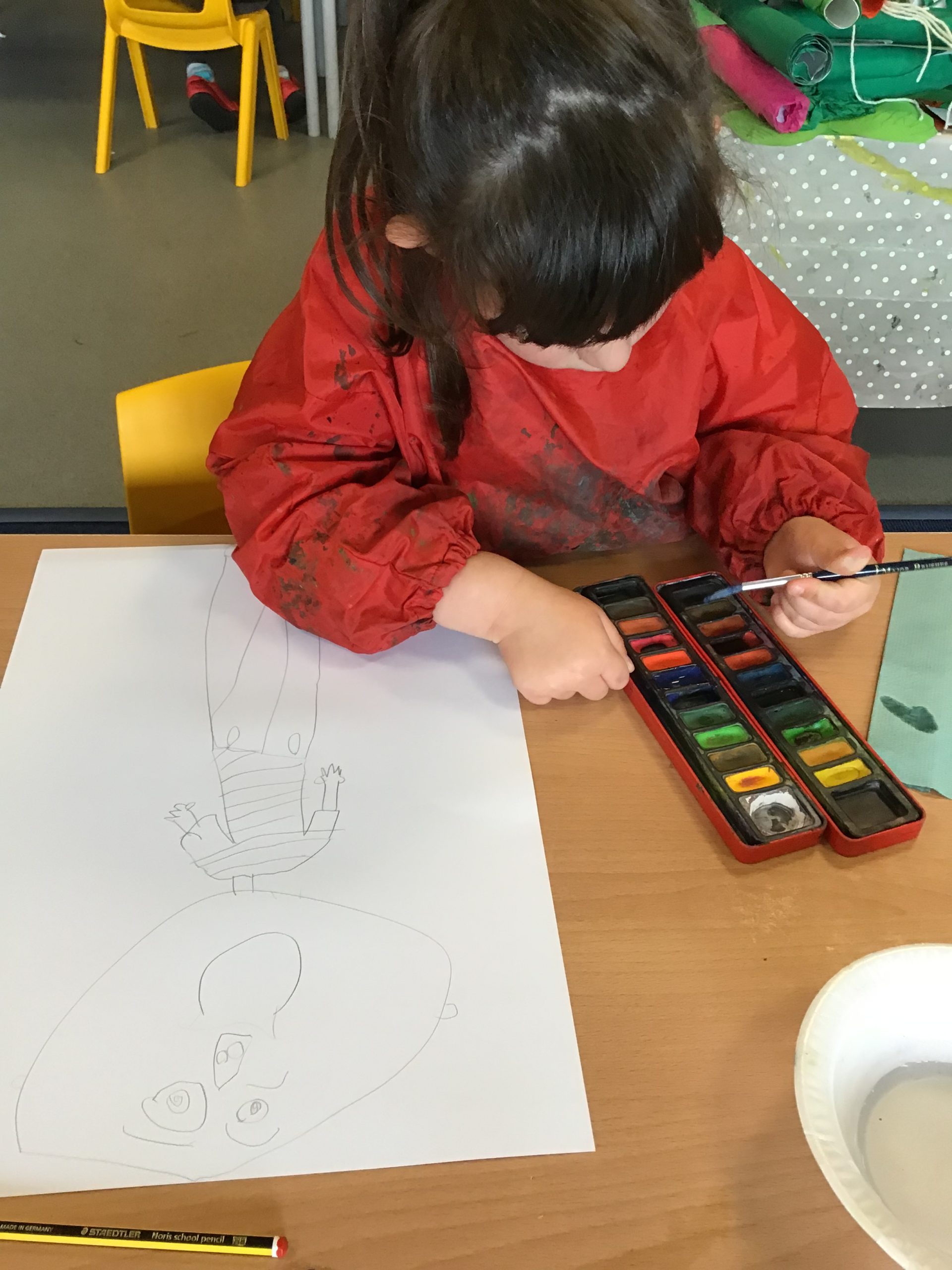
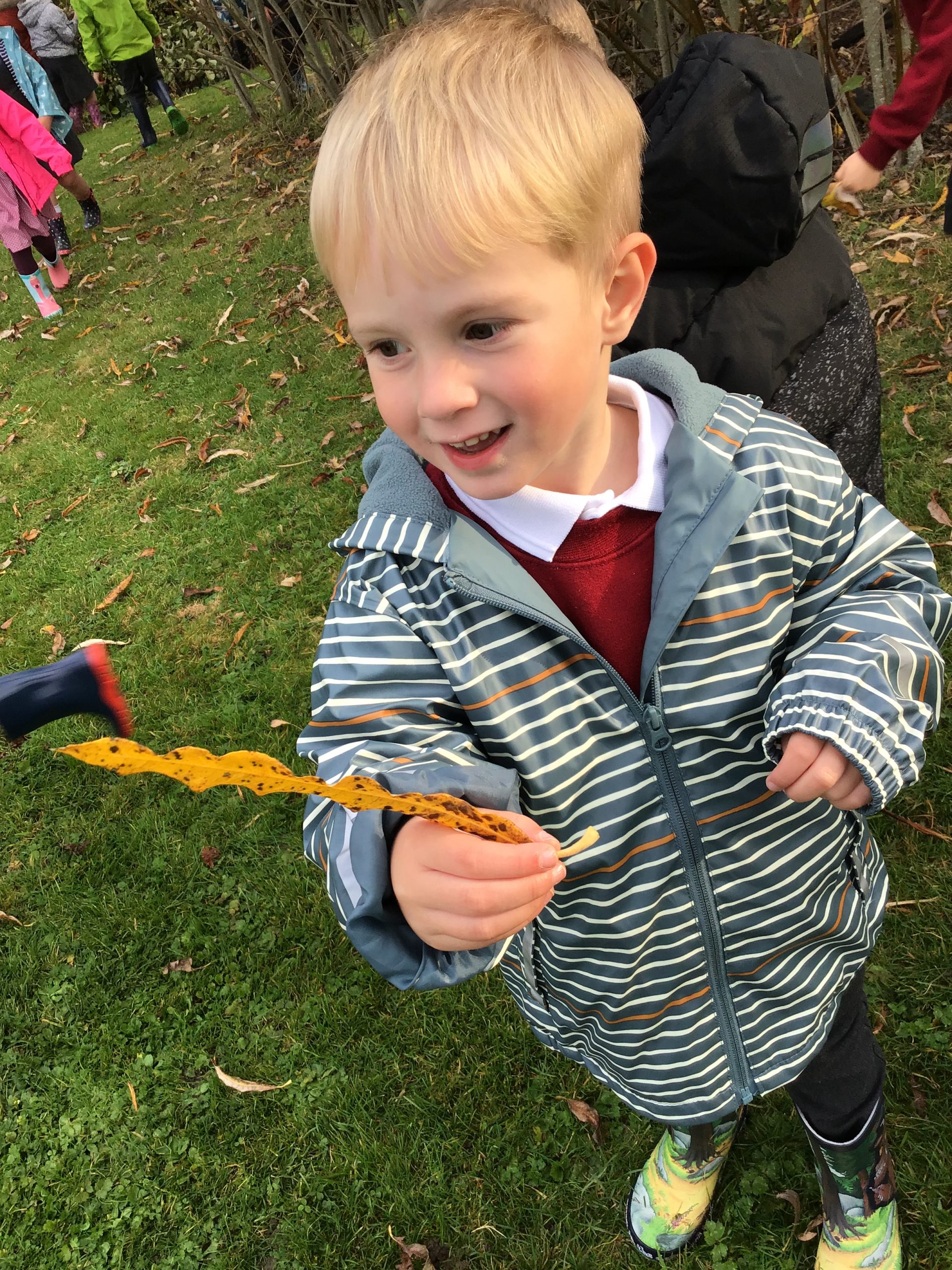
By creating and thinking critically:
- Having their own ideas
- Using what they already know to learn new things
- Choosing ways to do things and finding new ways
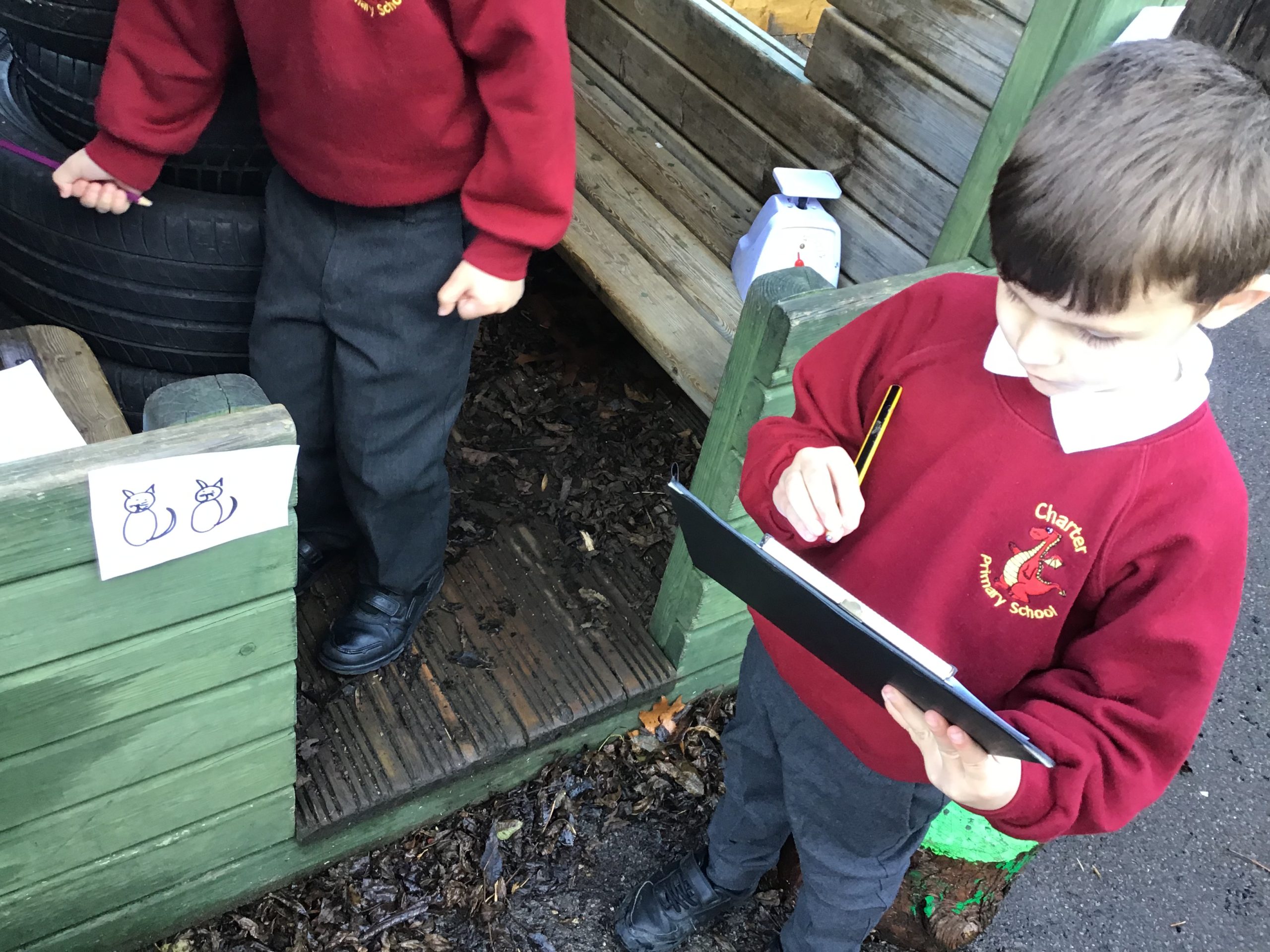
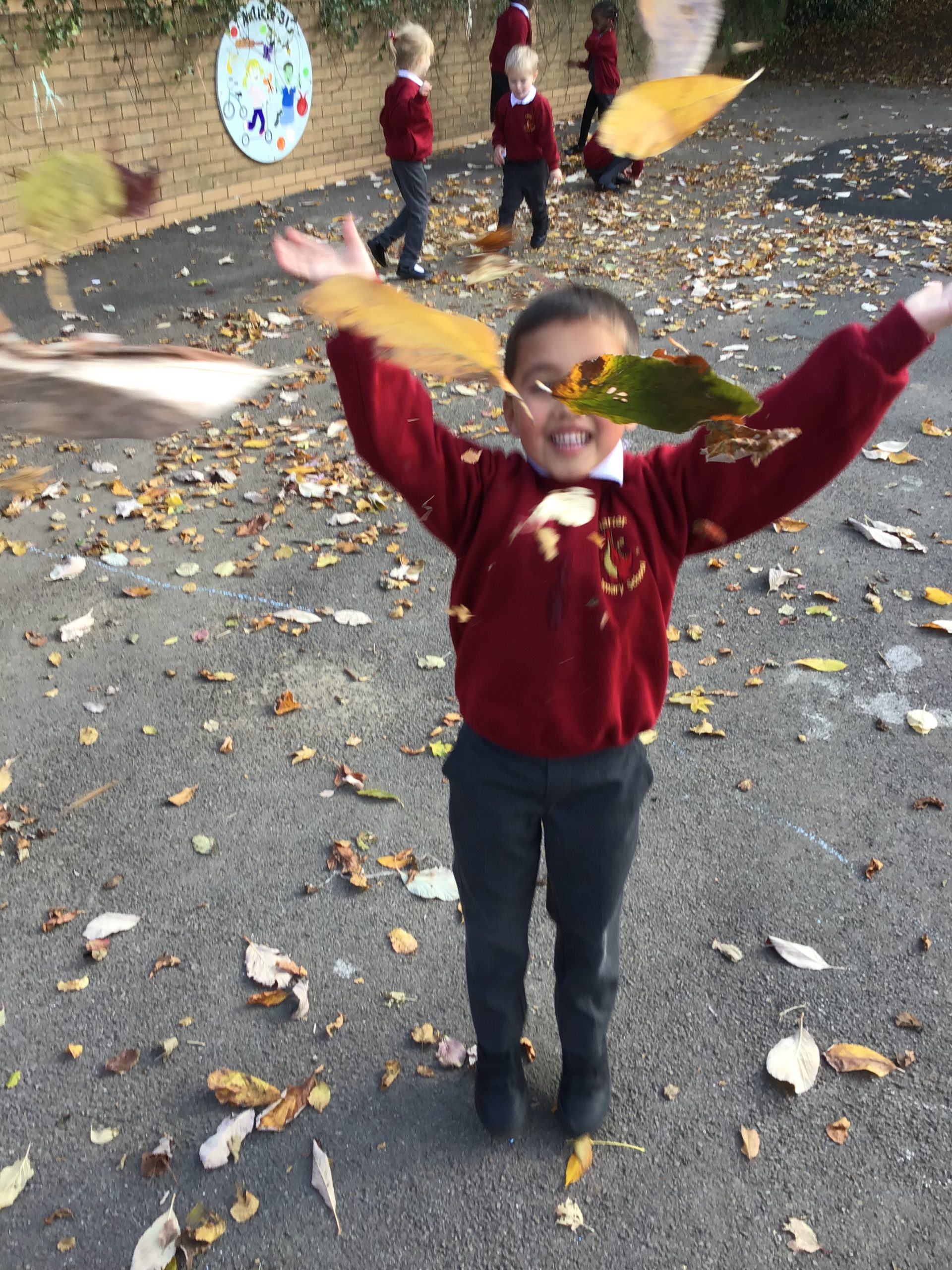
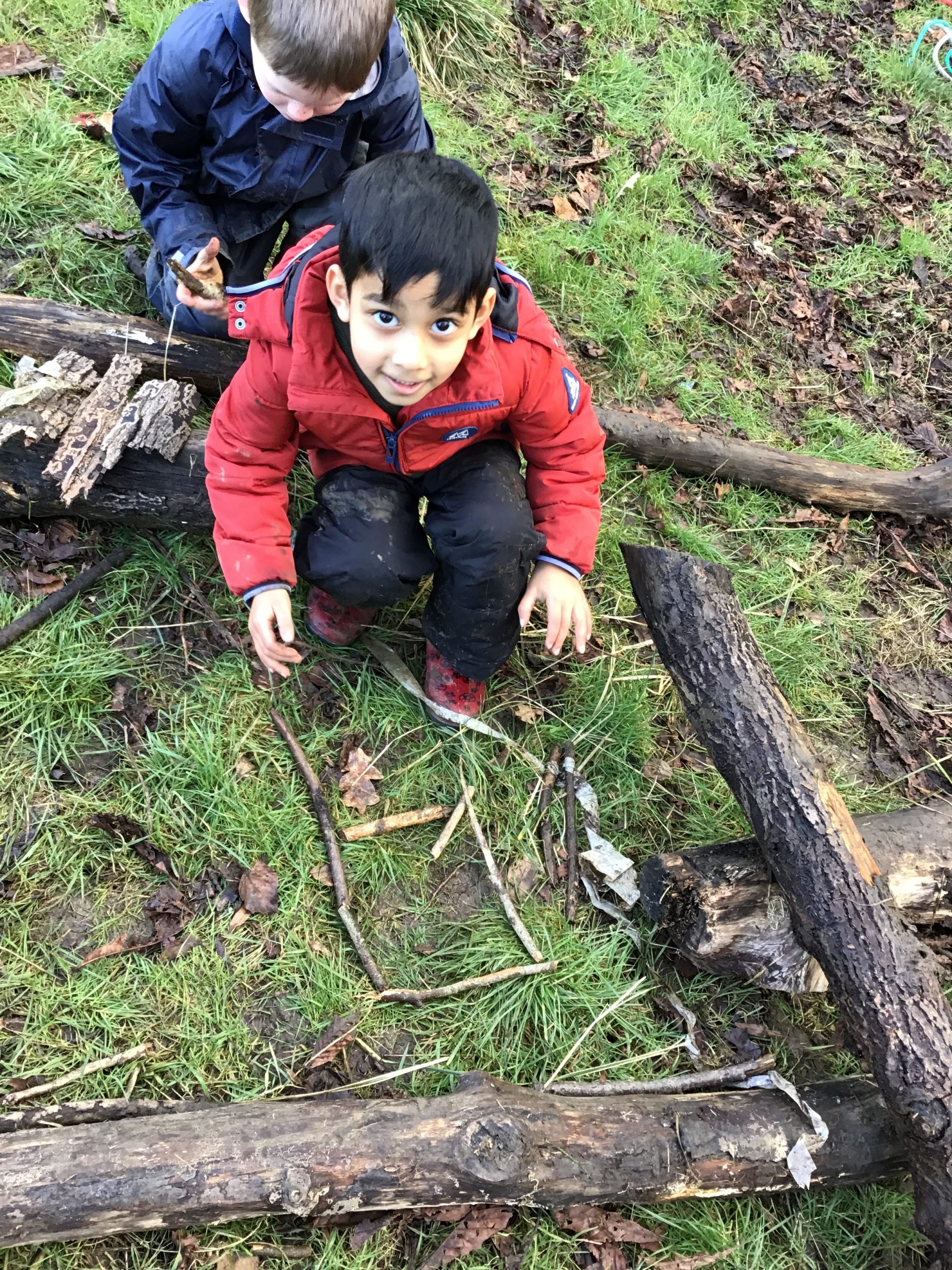
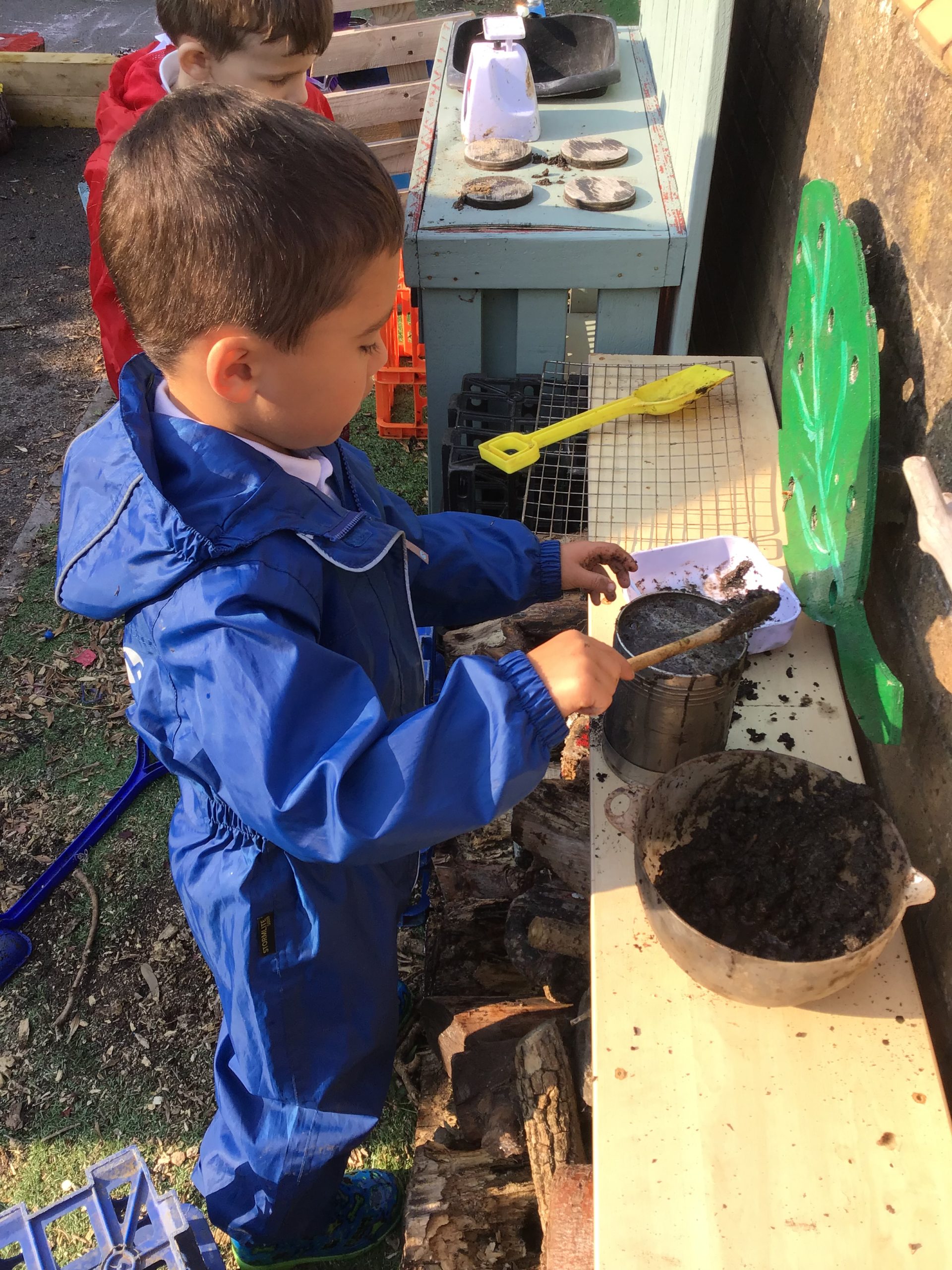
Reading unlocks so many doors for us all and therefore we are passionate about teaching all our children to read. It helps develop not only their vocabulary but also their imagination, spelling and enriches their lives.
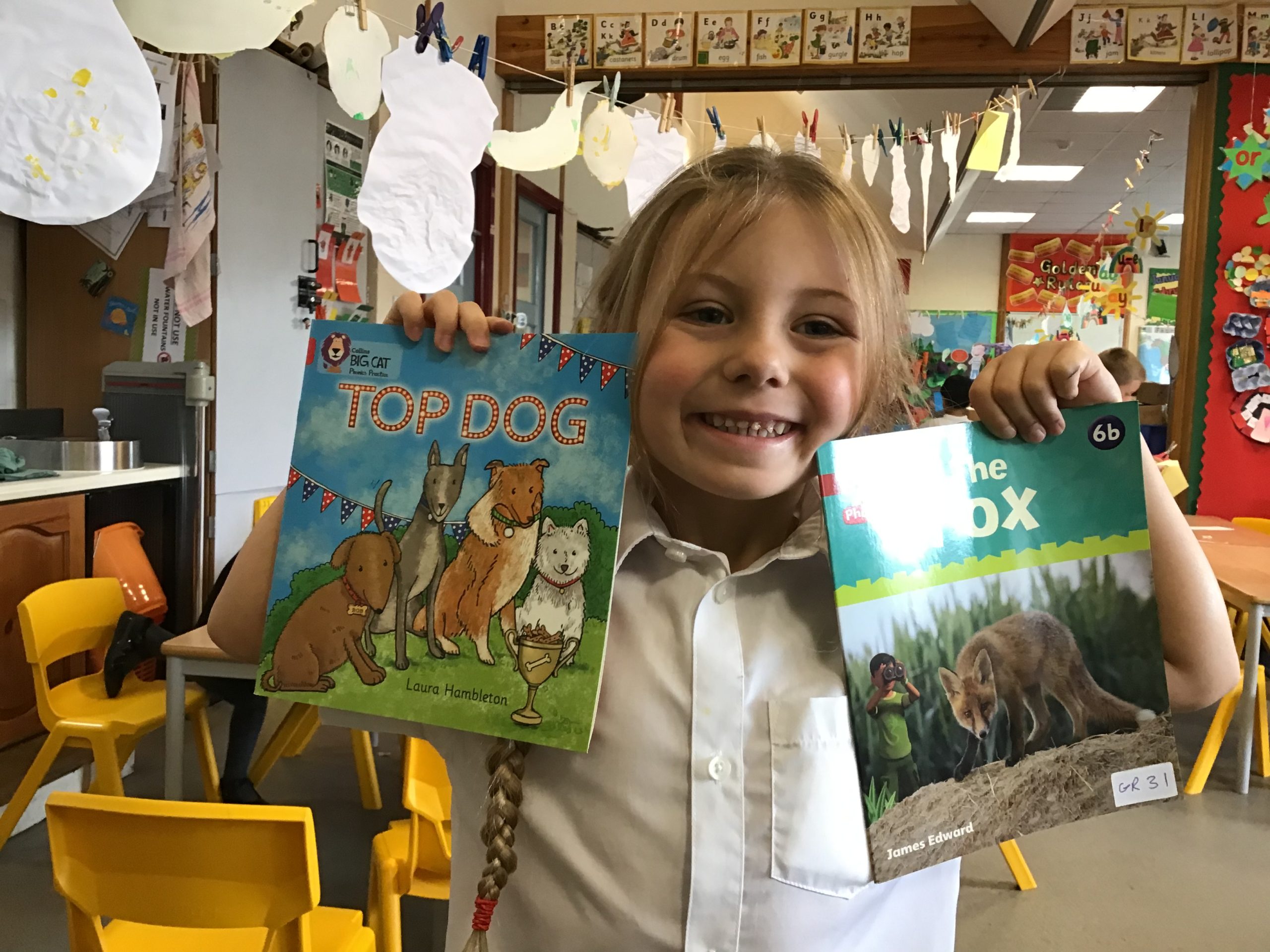
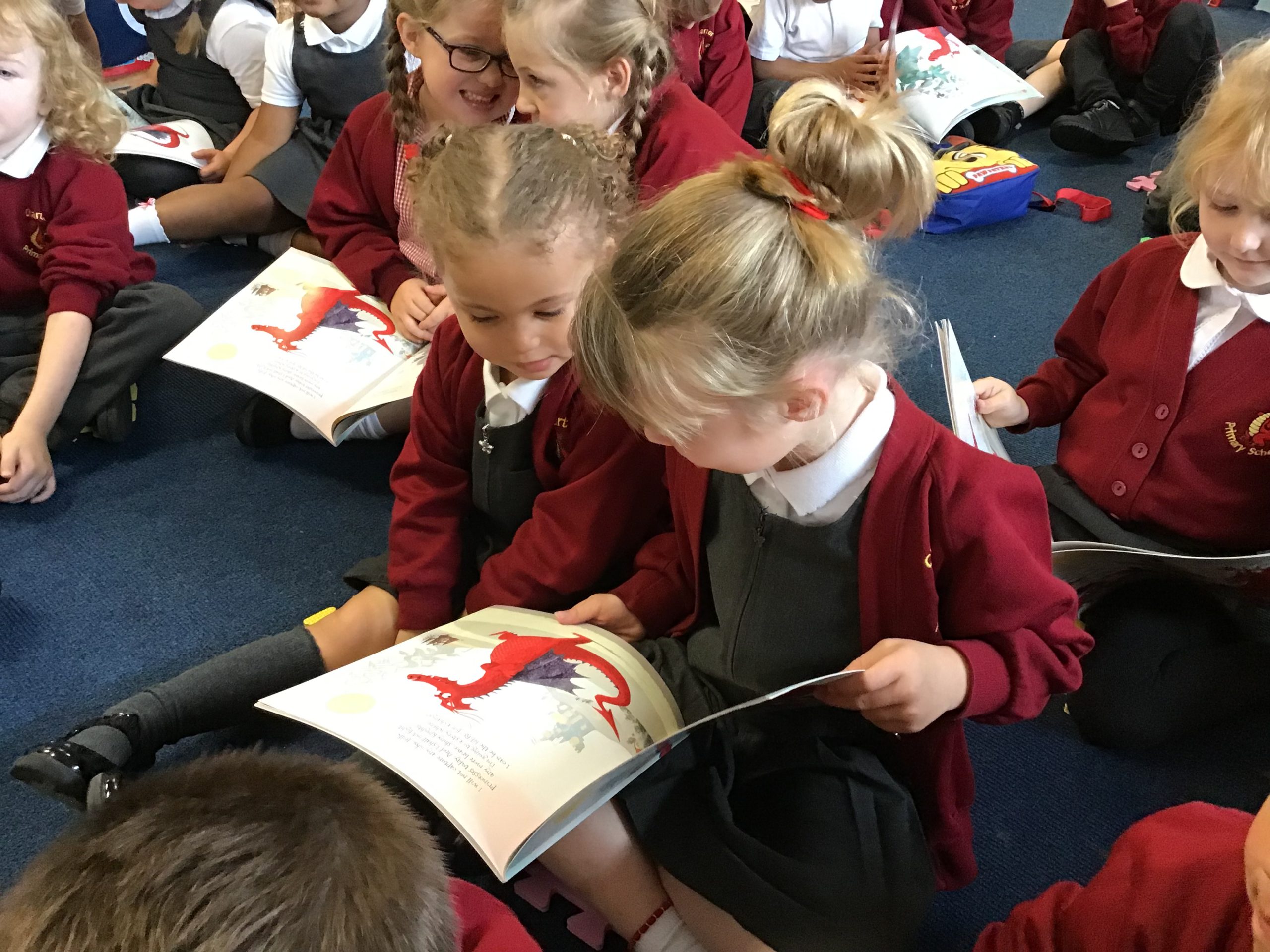
Children have access to a range of reading materials. Our children take home a reading book matched to their phonic stage of development as well as additional reading books that can be read with their parents. This gives them the opportunities to practise their own reading skills and apply the phonics that they are learning each week as well as hear stories read to them. The additional reading books give them exposure to a range of keywords and texts with varying features.
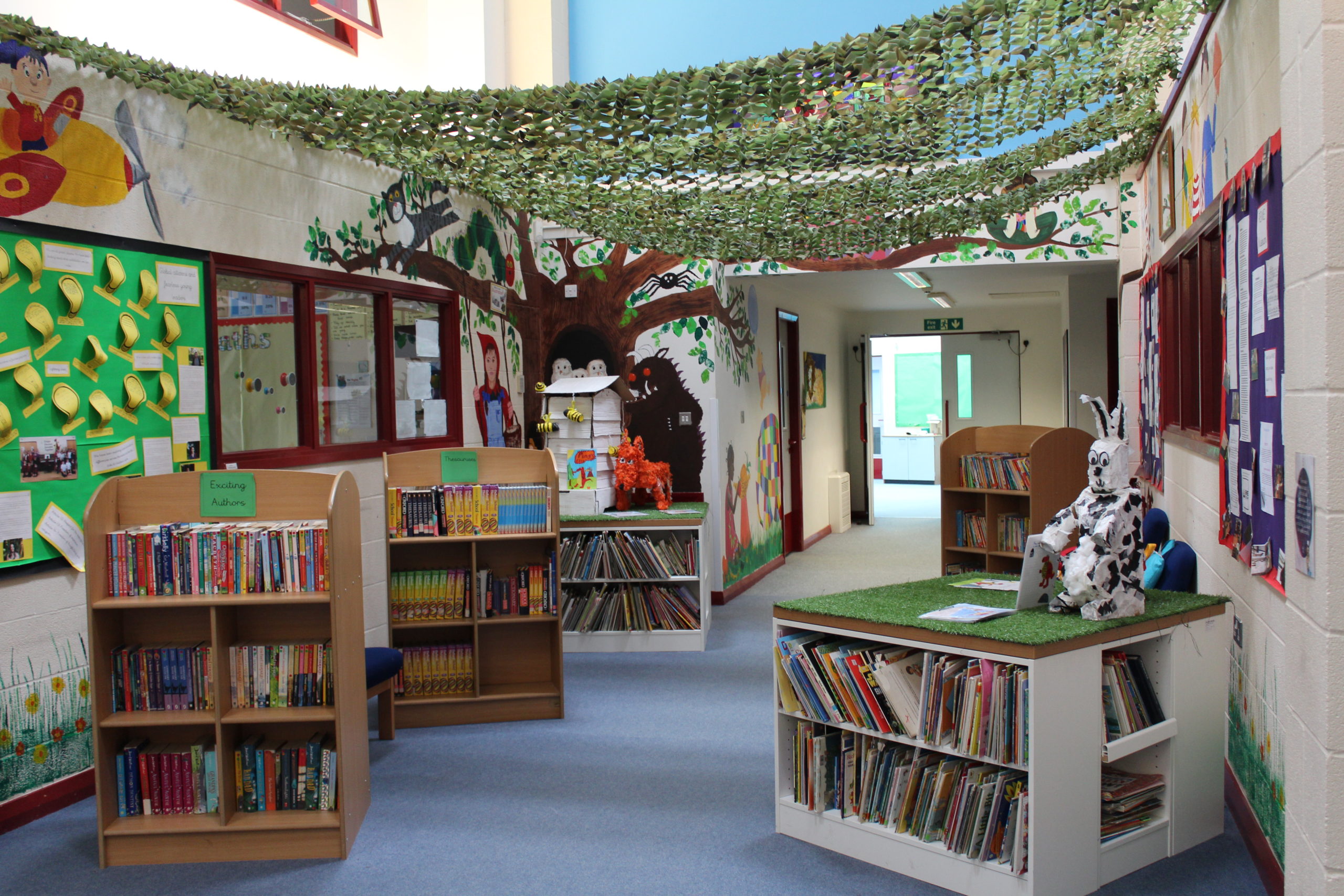
All our children visit our school library. Here they can look at the covers, take a look inside books and pick one that really takes their fancy!

All reading is valuable so we encourage parents to record comments of books that they enjoy reading with their children at home on our home learning platform. We love seeing what stories the children are enjoying at home.
Hearing stories read is all part of developing a love of reading amongst our children so daily class stories are treasured. All of the adults in our Early Years class share books with the children and we even have some of our older children read stories to the whole class or as 1-to-1 ‘buddy’ reading. Our Year 1 children thoroughly enjoy being whole class readers!
At Charter School, we follow Read Write Inc to teach phonics. It is a whole-school approach to phonics that provides comprehension, handwriting, spelling and composition to get your children reading, writing and speaking fluently.
Please click here to view more information about how we teach phonics at Charter.
We love watching our children grow in confidence and beam with pride when they prove to themselves they can do it for themselves.
Starting school is an exciting time for young children and their parents. At Charter, we understand it can be overwhelming for some too. Below are some some useful tips and information to help you prepare and encourage your child to be school ready.
How can you support your child to be emotionally ready for school?
First and foremost, we want you to have fun with your child before they start school and treasure the time you spend together. When your child is relaxed, this time can be used to:
- Talk to your child about starting school; What do they think it will be like? What are they looking forward to doing?
- Discuss any worries they may have; let us know about any concerns and we can help put minds at rest.
- Look at photos of school; we have lots of photos on our website gallery to help your child to familiarise themselves with the school environment. Is there something they are looking forward to seeing?
- Read books about starting school; there are many books available with stories to help your child to relate to the changes starting school will bring.
- Teach your child to recognise when they need help and how to ask for help from an adult.
- Talk about the things they will need at school; will your child have a packed lunch? What will they need in their book bag? Can they practice checking if they have what they need?
How can you support the development of physical independence before your child start’s school?
Give your child plenty of time to practice how to:
- Get dressed; let them try putting on their school clothes
- Put on their coat and do up their zip
- Put their shoes on; are they able to put their shoes on the right feet and fasten them? Velcro and elastic fastenings are easier for young children.
- Have a go at fastenings; can they undo the button on their trousers or skirt?
- Go to the toilet independently; can they get to the toilet in time and wipe themselves properly?
- Blow their nose; children will pick up colds, can they catch a sneeze and clean their noses with a tissue?
- Wash their hands; stopping the spread of germs is an important lesson.
- Tidy up; all children will help to tidy equipment and toys away, can you make it a fun game to tidy together before moving onto a new activity?
How can you develop a love of learning?
Learning does not just happen at school. Children are inquisitive by nature and love to explore the world around them.
- Listen to stories; talk about what is happening. What is happening in the pictures? What do they think may happen next? What was their favourite part and why?
- Sing songs together; nursery rhymes, number songs, there are so many songs children love to sing. Can they use different voices to sing the song? Can they whisper the words? Can they add actions?
- Talk about the world around them; take walks and explore the outdoors. What can they see, smell, hear, touch, taste? There is so much wonderful language that can come from these experiences.
- Make marks on paper; little helpers love to ‘write’ shopping lists, cards and other things for you. Encourage those early mark making skills using anything that catches their interest.
- Play games together; encourage turn taking and resilience.
Further information about how to prepare your child for this next chapter can be found using the following website links and viewing the images below.